Make the Right Impression

<

Creating a Confidence Circle

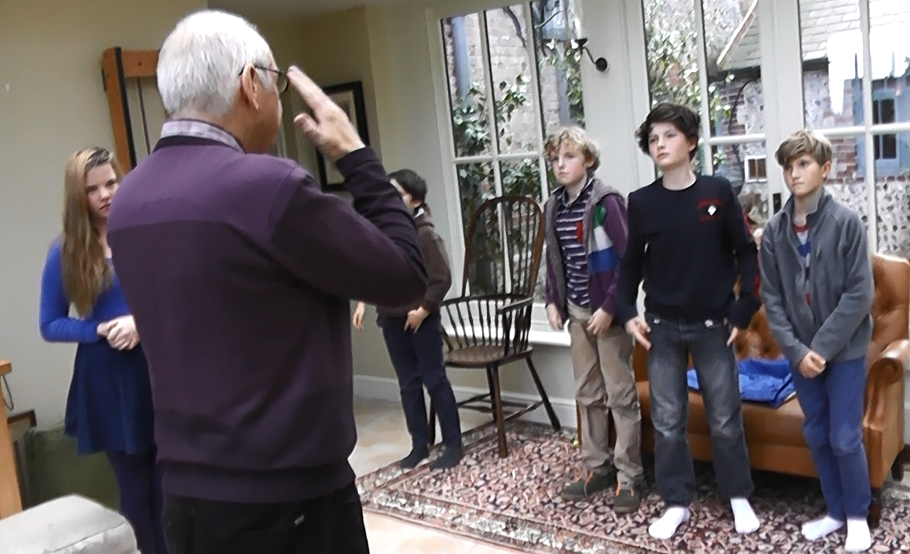
Make the Right Impression is a workshop that Victoria and I have designed to give students additional edge in the current highly competitive educational environment. Over the course of the day they develop their personal presentation skills in advance of applying to senior schools with particular emphasis on overcoming nerves, confidence building , and how to create a positive impression at first meetings and interview.
Students enjoyed a great morning session working on physical and mental exercises that helped them to see how they come across to others and not only built their confidence but gave them easy to use strategies and approaches to ensure that they could present themselves in relaxed and confident manner for interview.
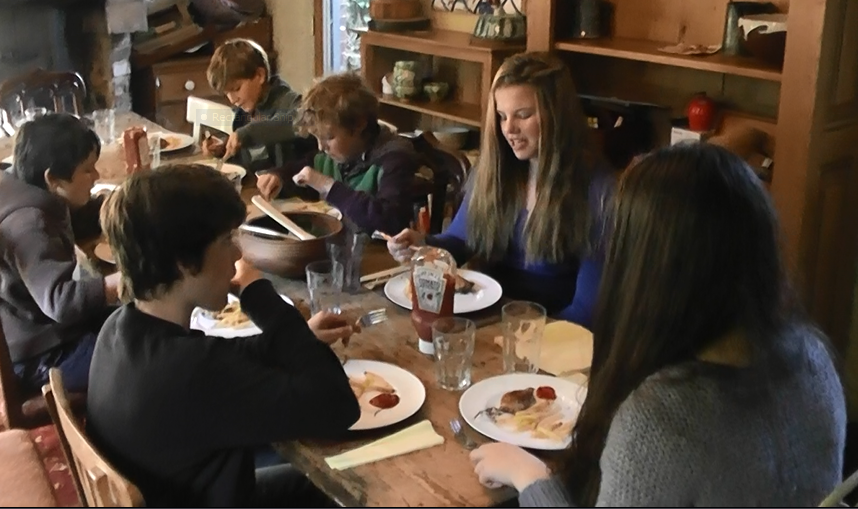
Capture LUNCH
After another of Victoria’s famous lunches the afternoon began with a discussion on the personal attributes and qualities that the students might want to highlight as they worked on building up their own personal profiles. This was then used in a series of one to one practice interviews with feedback. Eveyone agreed it had been most useful day and without exception all felt that what they had learned would help them to “make the right impression…”

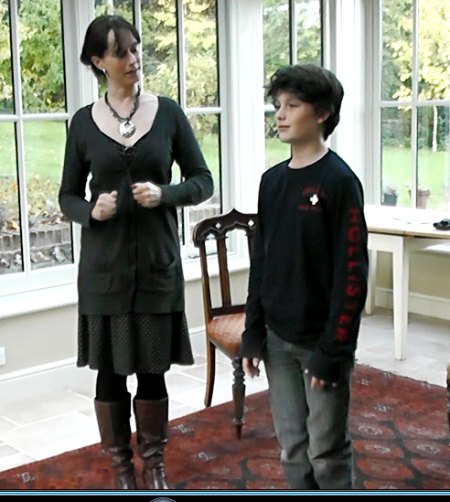
James impresses Victoria

James impresses Victoria

The pros and cons of the scholarship – be careful what you wish for..

yay-761321 (3)Joe has just started at a famous and highly competitive independent senior school. His parents were absolutely delighted that he not only won a place, but was awarded a triple scholarship: Academic, Sport and Music. Joe is one of the nicest boys I know and certainly deserves these accolades: he is highly intelligent; a fine sportsman and when he plays the cello it makes me want to cry (in a good way!). He and his family spent the summer in a fever of expectation about the new school and so I was looking forward to hearing how he was getting on.

“It’s not good news” his mother Sue said on the phone, “Joe can’t keep up with all the extra work he has to do, now that he’s a scholar. He’s getting so depressed; he’s even talking about leaving the school. ”

It seems that Joe and his parents failed to appreciate how much work being a scholar entailed: he is required to submit a detailed extended essay every half term to his Headmaster; he is expected to attend every meeting of the academic society; he also has to go to early morning rugby training whilst somehow fitting in orchestra and choir practises. There isn’t enough of Joe to go round.

“However hard Joe tries, he can’t keep everyone happy. He is utterly exhausted. I think his routine school work is suffering. We feel demoralised. What shall we do?”

Joe is not alone in his experience and whilst the teething troubles can usually be ironed out for students (I told Sue to make an emergency appointment with Joe’s tutor to discuss his timetable and if that didn’t work she should go straight to the Head) it is worth making sure that you know what winning a scholarship involves – BEFORE even applying. Equally important is making sure staff at the school know the pressure your child is under. Find out who is in charge of the overview, as teachers in individual departments, sport, music, drama etc are famous for not talking to each other!

In my book “Prepare your Daughter for Boarding” I discuss the benefits and disadvantages of scholarships and exhibitions. Firstly, many of the awards are only worth between 5% and 20% of the annual fees and often the financial reward is capped at the first scholarship. Thus the advantage that being a scholar confers is in the honour – and that can wear a little thin.

Of course this is not to say that if you have a particular talent you should not apply for a scholarship. Schools vary enormously in what they expect from scholars and in what support they offer – but multiple awards can be difficult to live with.

It is also a mistake to think that you cannot continue with a particular discipline unless you have been given a special award. One mother told me only yesterday,
“My daughter is good at acting, but she’s decided not to apply for a drama scholarship. She wants to keep her options open. She will definitely do some acting, but doesn’t want the pressure of being in every single play.”

Her views are echoed by a senior member of staff who told me that,
“Unless your child is very passionate about their chosen discipline, there is something to be said for keeping your options open. Scholarships can be a fantastic way to develop an existing talent, but they can also define a child very early on and prevent them from trying everything else on offer.”

Indeed, some students don’t even discover what they are good at until they actually arrive at senior school. It is not unusual for the scholars to find they have been overtaken by classmates who have developed since arriving at school. It is not always the scholars who come out on top.

A Fantastic result from a very enjoyable day!

This slideshow requires JavaScript.

SAM_3538

Film producer Pippa Cross and movement specialist Alison Fielding had a great day at The Old Rectory working with a terrific bunch of young people who in the space of six hours managed to create and rehearse their own play.

Read Victoria Davies Jones’s interview on Prepare your Daughter for Boarding in this weekend’s Daily Telegraph (please click on article page)

Don’t be seduced by flashy rooms

Weekend
12 Oct 2013

Boarding school has never come cheap. Traditionally, it has been seen as the preserve of the very wealthy, out of reach of the majority of families. Nor will that reputation, whether deserved or not, have been dented by the revelation that the cost of…read more…

Boarding Blues – Adjusting to the silence by Victoria Davies Jones

empty roomIt is quiet at the house and – for us – exceptionally tidy. My middle daughter Lily has joined her big sister Sophie at boarding school and now Paddy is the only child left at home. I’ve managed to keep him busy and in the main he has adjusted well to life without siblings.
“I like being an only child.” He announced at breakfast. “It is fun sitting in the front of the car and nice not to share the computer. I also like choosing what we have for supper.”

But there was one thing Paddy missed at first: not being able to chat to Lily at bedtime. In truth, we hardly heard from her when she first went away. Sophie was, and is, very conscientious about phoning home, but when Lily went to school we were met with silence.
“She’s having such a wonderful time, she hasn’t needed to call.” I told Paddy cheerfully.
“How do you know?” He asked “maybe she’s so unhappy she daren’t ring us in case she cries?”

Although I thought this was unlikely, I did have to admit that he might have a point. I was longing to hear from Lily (she didn’t even answer my text messages or emails) and without regular bulletins from her big sister, I would have had to phone the school for an update.

I felt certain however, that whatever her reasons, this was not the moment to chastise Lily or make demands of her. In my book “Prepare your Daughter for Boarding” I explore some of the ways that boarders settle into their new environment. Some students actually find it easier to adjust if they concentrate on school and keep home contact to the minimum. Indeed, there are schools which discourage pupils from seeing or speaking to their families for the first few weeks. Lily’s school is not one of these, but nevertheless, I had to recognise that she may have chosen this route for herself.

After ten anxious days, my husband, Paddy and I drove up to see the girls.
“Have you been homesick?” Paddy asked.
“A little bit.” Lily replied. “But I’ve been very busy… and the reception here is awful so it’s not easy to phone you.”

Lily has now established where she can make calls on the school campus and she has started to phone us regularly. Perhaps, however, those first few days of silence were a blessing in disguise: She is settled and happy and moreover, she is learning to be independent.

A great day at the Comedy Workshop

This slideshow requires JavaScript.

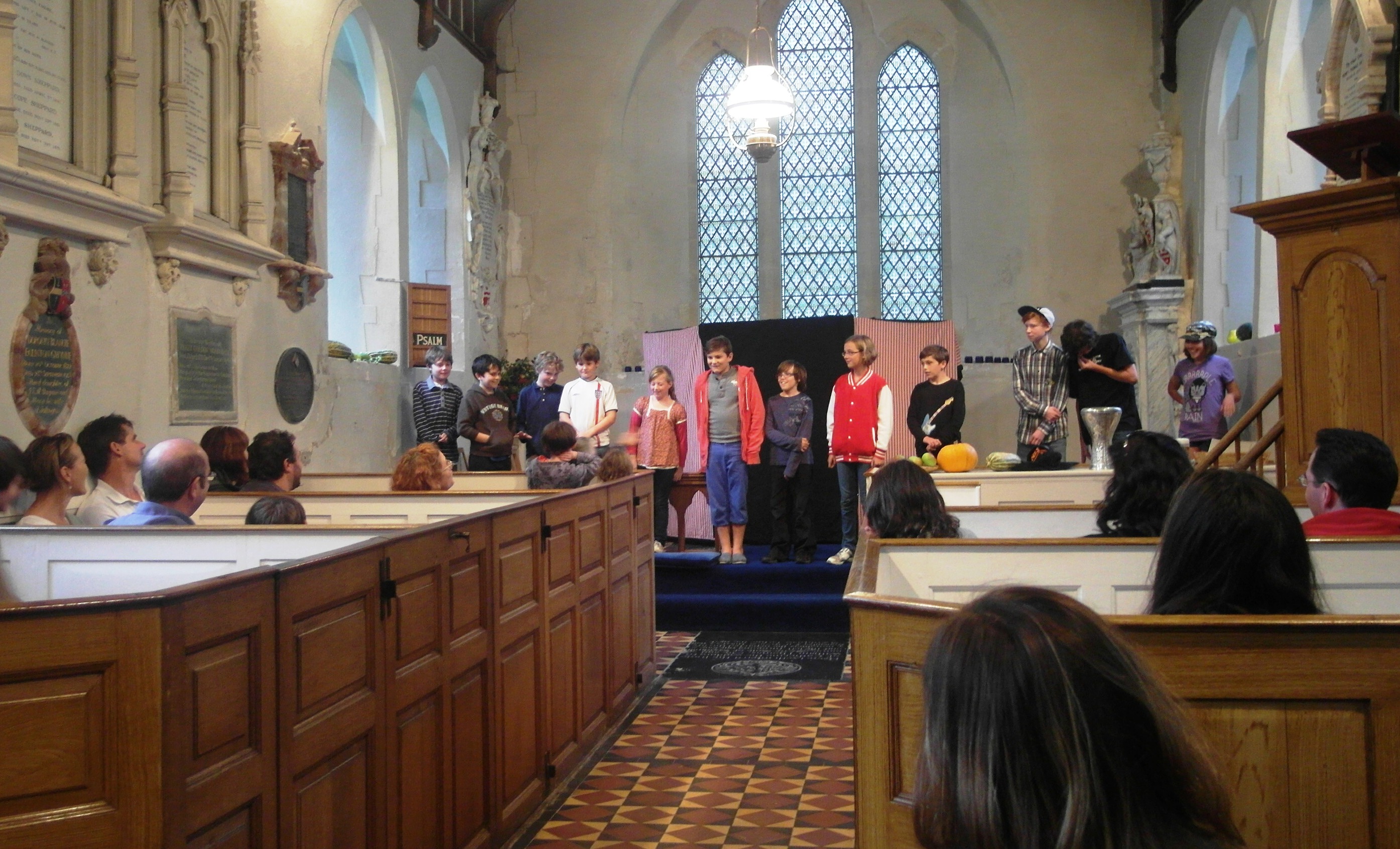
Just a few of pics of a fantastic day full of fun and comedy as well as being a great learning experience.
Thank you everyone who participated and helped and special thank you to Lee Cornes.

church editiedSAM_3407

Benefits of humour by Graham Lee

Lee dance editWe all know that laughing is fun and makes us feel better.
More seriously, remember there has been a lot of research undertaken into the physical and psychological advantages of having a laugh. Scientifically proven results include an impressive list of benefits – ranging from increased well being through endorphins and dopamines, to the cognative and emotional advantages of increased creativity, improved problem-solving ability and increased confidence and self-esteem. And masses more.
I don’t think the young participants of Lee Cornes Comedy Workshop on Sunday were necessarily aware of how much good the day was doing them – they were just having too much fun! Lee covered a wide range of comedic techniques, from learning how to effectively tell a joke to how to achieve comedy in physical movement and how to use status to comic effect in a double act, plus lots more. The class finished with a showcase performance and refreshment provided by Victoria Davies Jones at her lovely home.
So remember: Laughing out loud, being quietly amused, anticipating something funny, and even forcing a smile or chuckle can all lead to increases in positive emotions and neutralize negative states, helping to keep us on the “upward spiral” to greater happiness and fulfilment while making us better communicators and people that other people want to be around.

Consulting Victoria Davies Jones

Victoria Davies JonesIf you would like to find out more about Prepare Your Daughter for Boarding or you would like to consult Victoria Davies Jones, please email Victoria; victoria@prep4online.com